

Zinc for children
Zinc is one of the essential trace elements—minerals that humans must regularly consume through their diet.
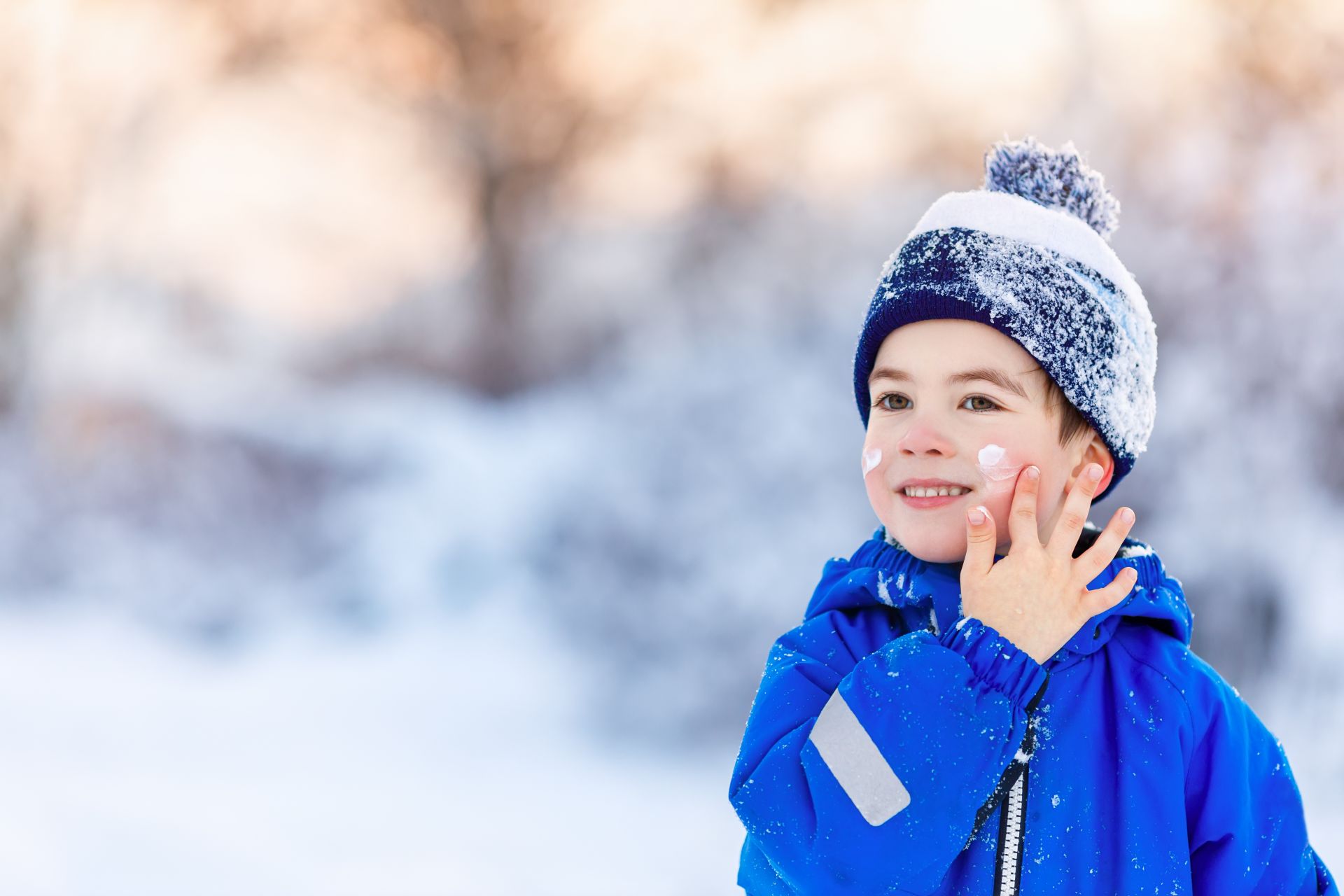
Snowball fights, sledging and cozy afternoons inside in the comfortably heated children’s room – winter is fun for children! But the cold weather also brings challenges for children’s sensitive skin. Wind, dry heated air and low temperatures can put a lot of strain on the skin and make it drier and more sensitive. As parents, you know the typical signs: rough patches of skin, redness and even small cracks, which can often lead to itching or an unpleasant feeling of tightness.
The following applies to adults and children: skin needs extra moisture in winter. A gentle, moisturizing cream that has been specially developed for children’s delicate skin is ideal. It should be free from parabens, artificial fragrances and other irritants – in other words, it should only contain the bare essentials for delicate skin. A cream based on natural ingredients such as aloe vera, jojoba oil or shea butter is particularly suitable for strengthening the skin barrier and moisturizing at the same time.
It is best to apply the cream in the morning and evening, as well as before and after long periods outdoors. Rough skin areas are particularly important. Mild skin care oils that can be applied to slightly damp skin directly after bathing are also a great option. This helps to lock in moisture and protect the skin for longer.
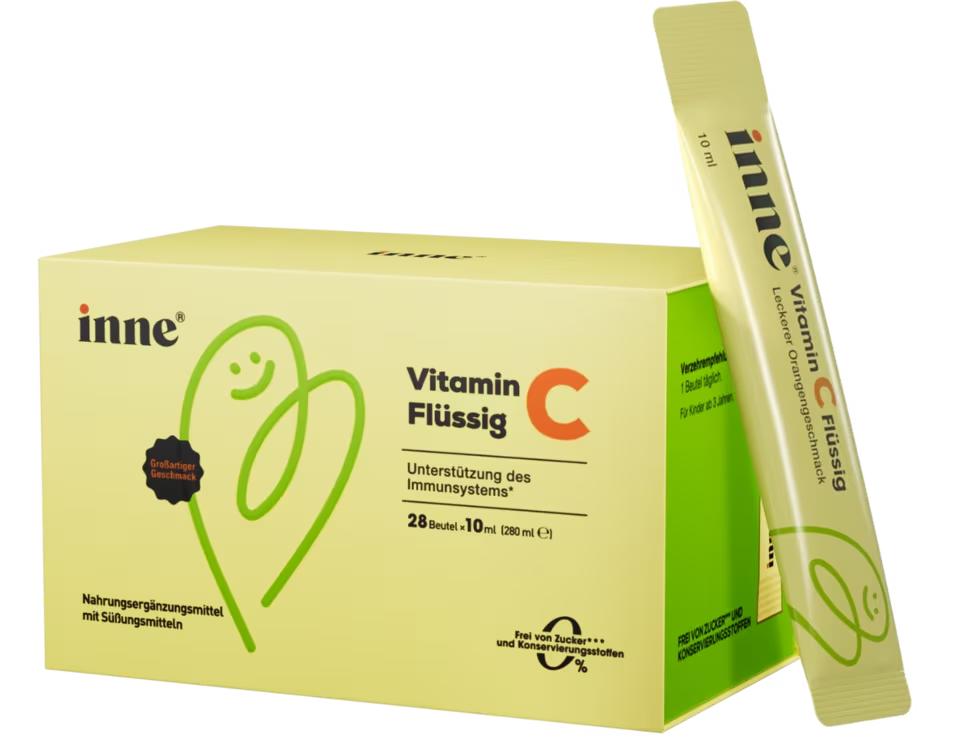
inne® Liquid Vitamin C
*Calcium and vitamin D are needed for healthy growth and development of bones in children. Additionally, magnesium, vitamin K, and zinc support the maintenance of healthy bones.
*Vitamin C contributes to the normal function of the immune system.
***contains< 0.5g sugar per 100 ml
Even in winter, the sun should not be underestimated. Especially on clear, sunny days or when it is snowing, the sun’s rays reflect and can damage children’s sensitive skin. A light sunscreen with SPF 30 is often enough to protect the face, ears and other uncovered areas of skin. A combination product of moisturizer and sun protection factor can be useful here – this way you not only protect your children’s skin from the cold, but also from harmful UV radiation. For all-round safe winter days outdoors!
Children often have the habit of moistening their lips with their tongue in winter when they are dry. However, this increases dryness, especially in cold weather. A small lip balm that is always to hand in a rucksack or jacket pocket can work wonders here. It is also advisable to use gentle and natural lip care products without mineral oils and artificial additives. Products with beeswax or coconut oil are well suited to the sensitive skin of the lips and prevent them from becoming chapped and cracked. They also leave a pleasant taste on the lips.
Your children will certainly be wrapped up thickly in an onion look in winter due to the low temperatures. But choosing the right clothing also plays a key role for the skin! To avoid irritating the skin unnecessarily, clothing should preferably be made from natural materials such as cotton or merino wool, which are breathable and do not irritate the skin. This is particularly important for underwear and sweaters that are worn next to the skin. A scarf and hat also help to protect your face and ears from the wind and cold. Gloves made of soft material prevent dry and chapped hands, which can quickly become rough in the cold.
Even if children love the warm bath water with lots of foam in winter, bathing too often or too hot can further dry out the skin. Therefore, try to limit bath time to two or three times a week and keep the water warm rather than hot. A mild, moisturizing bath additive without fragrances can help to nourish the skin and retain moisture. After the bath, the skin will appreciate a gentle moisturizer to immediately rehydrate the skin and strengthen the natural protective layer.
Because dry heating air can also put a strain on your children’s skin, a humidifier in the children’s room may be a sensible investment – especially for children who are particularly susceptible to dry skin and colds. The increased humidity can help to keep the skin more supple.
With these tips, you can take wonderful care of your children’s skin in winter – so your little ones can enjoy winter to the full without unpleasant tension or dry patches of skin.
Find out how vitamin C and zinc strengthen your immune system and keep you fit through the fall. With delicious recipes!
Zinc is one of the essential trace elements—minerals that humans must regularly consume through their diet.