

Two children with sledges in the snow.

Snowball fights, tobogganing and ice skating are an integral part of winter – but so are cold temperatures, less daylight and colds. Especially now, children need a strong immune system to get through the cold season in good health. A balanced diet rich in vitamins and minerals can work wonders here.

Vitamin D: the sunshine vitamin

A lot of darkness and very little time outdoors mean that our bodies get less sunlight in winter. This also reduces the natural production of vitamin D. However, this vitamin is essential for a strong immune system and healthy bones. Supplementation can therefore be useful if you spend the winter in northern Europe. How to supplement vitamin D: Vitamin D-rich foods such as fatty fish (e.g. salmon or mackerel), eggs and fortified dairy products are a good choice. Alternatively, a vitamin D supplement can be useful in consultation with the pediatrician.

Our Product Recommendation:

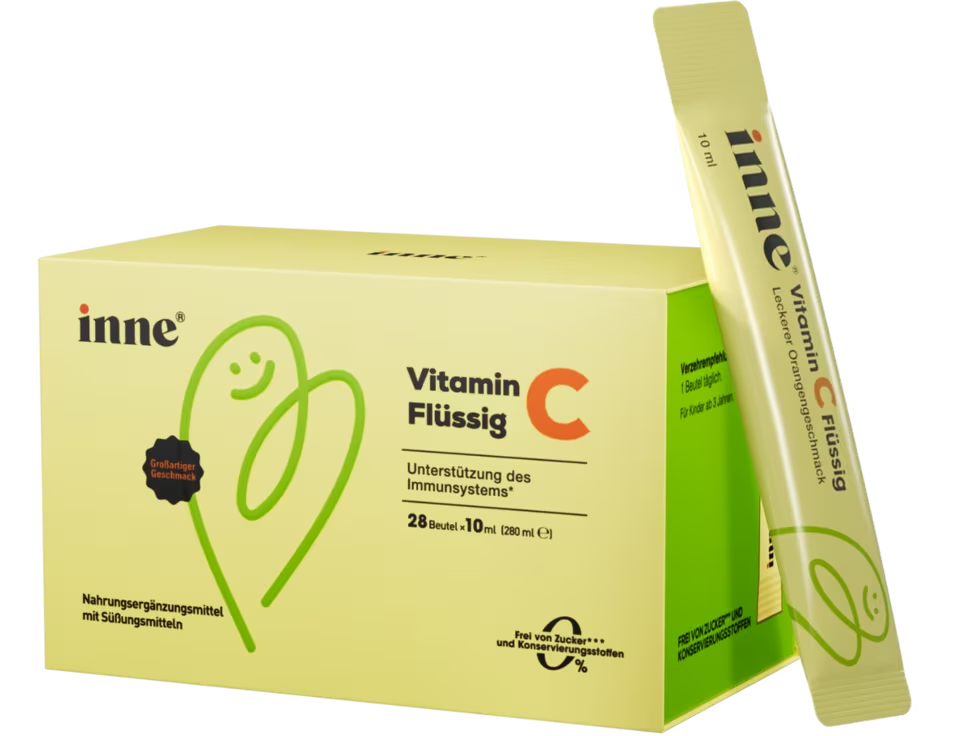
inne® Liquid Vitamin C

  • High Vitamin C Content
  • Immune System Support*
  • Free from sugar*** and preservatives

*Calcium and vitamin D are needed for healthy growth and development of bones in children. Additionally, magnesium, vitamin K, and zinc support the maintenance of healthy bones.

*Vitamin C contributes to the normal function of the immune system.

***contains< 0.5g sugar per 100 ml

Vitamin C: The classic protection against colds

Vitamin C strengthens the immune system by supporting the production of white blood cells and acting as an antioxidant. It is a real must-have, especially in the cold season. Fresh fruit such as oranges, mandarins, kiwis and berries as well as vegetables such as peppers, broccoli and Brussels sprouts are rich in vitamin C. A colorful fruit salad or vegetable sticks with dip are simple and child-friendly ways to incorporate vitamin C into everyday life.

Zinc: the immune booster

Zinc plays a key role in strengthening the immune system as it helps heal wounds and reduces inflammation. A lack of zinc can make children more susceptible to infections. However, taking high doses of zinc at the start of a cold has been proven to shorten the duration of a cold – zinc has real power! How zinc ends up on your plate: Zinc is found in foods such as wholegrain products, nuts, pulses, cheese and meat. Wholemeal bread with cream cheese and a few pumpkin seeds sprinkled on top is not only delicious, but also rich in nutrients.

Iron: For more energy in winter

Iron supports the transport of oxygen in the blood and helps to strengthen the immune system. Children with an iron deficiency are often tired and more susceptible to infections. Red meat, lentils, oatmeal and spinach are excellent sources of iron. A homemade lentil dal or a smoothie with spinach and apple are child-friendly and healthy options.

Omega-3 fatty acids: protection from within

These valuable fatty acids have an anti-inflammatory effect and support heart and brain health. They also strengthen the immune system and help children to concentrate better. Salmon, walnuts, chia seeds and linseed are rich in omega-3 fatty acids. A warm porridge with chia or linseed and a salmon bagel for lunch are easy ways to integrate these fatty acids.

Finally, three practical tips for everyday life!

Here are some great outdoor activities that not only guarantee you exercise and adventure, but also promote your children’s health.