

Vitamin C, also known as ascorbic acid, is an essential nutrient that plays a central role in the health and well-being of both adults and children. The vitamin is crucial for building and maintaining a strong immune system. It also supports growth and regeneration as well as physical and mental development. Particularly interesting is its ability to counteract and slow down various aging processes, such as skin aging.
Vitamin C is a water-soluble vitamin that plays a key role in a range of bodily functions. It is an essential vitamin, meaning it is vital for the human body but cannot be produced by the body itself. Therefore, it must be obtained through diet; many different types of fruit and vegetables are rich in vitamin C.

The role of vitamin C in the body is multifaceted. However, it is often not vitamin C alone that fulfills these roles—together with other vitamins such as vitamins D, E, and A, as well as trace elements like zinc and selenium, it participates in numerous bodily processes:
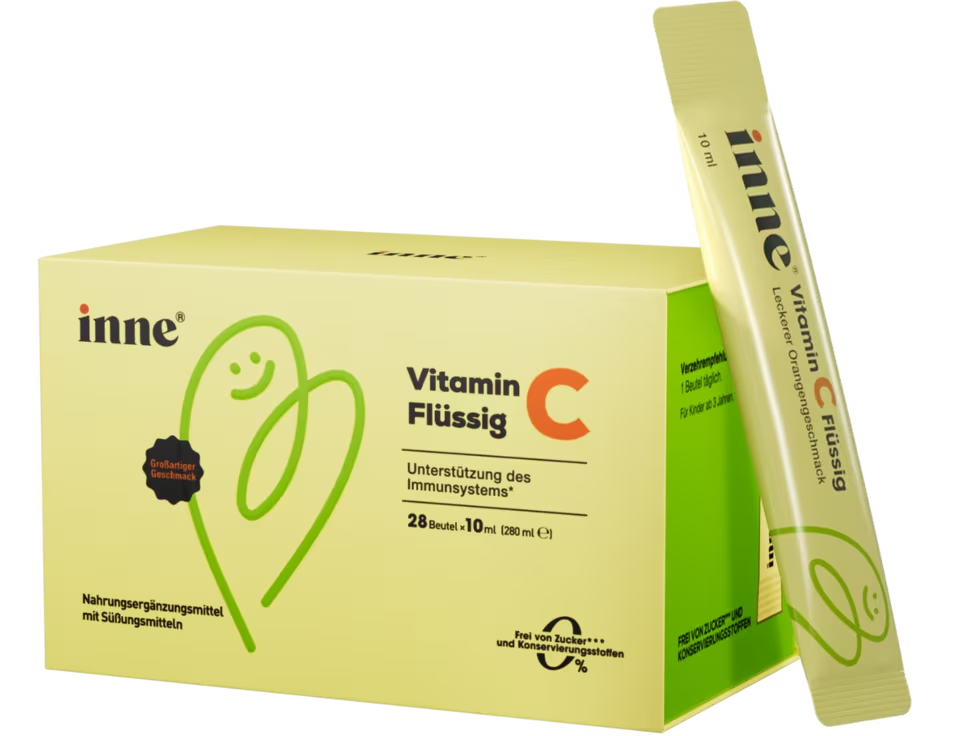
inne® Vitamin C Flüssig
*Calcium und Vitamin D werden für ein gesundes Wachstum und eine gesunde Entwicklung der Knochen bei Kindern benötigt. Zusätzlich unterstützen Magnesium, Vitamin K und Zink die Erhaltung gesunder Knochen.
*Vitamin C trägt zu einer normalen Funktion des Immunsystems bei.
***enthält < 0,5g Zucker pro 100 ml
Since vitamin C is a vital nutrient, everyone needs a certain amount of it daily, which is usually covered by food intake. With food, vitamin C enters the small intestine, where it is dissolved in the watery chyme and absorbed in the lower sections (jejunum and ileum). This happens passively by flowing across the intestinal wall, or actively by being transported into the blood with the help of calcium.
The body does not store excess vitamin C but excretes it. Therefore, a regular supply is necessary. The daily requirement for vitamin C increases steadily with age and differs between the two sexes from adolescence onwards. In addition, pregnant and breastfeeding women have a higher requirement for vitamin C and should keep this in mind when planning their meals. The German Nutrition Society (DGE) provides the following recommendations for daily vitamin C intake:
Did you know?
Vitamin C is not only found in fruit and vegetables. The food industry also adds the vitamin to sausages and meat products. Here it serves as an antioxidant and preservative (identifiable as E300 to E304, E315, and E316) to make the food shelf-stable. It also prevents meat from losing its vibrant red color and turning gray, for example.
If the body lacks sufficient vitamin C, it can have a negative impact on health. However, extreme vitamin C deficiency, also known as scurvy, is rare nowadays, as scurvy can be prevented with just a small amount (10 mg) of vitamin C per day—about as much as is contained in one bell pepper.
An overdose is generally not possible with conventional foods because excess vitamin C is excreted, but it should still be avoided. Too much vitamin C can lead to gastrointestinal complaints, among other things. Studies also indicate that very high concentrations of vitamin C can cause kidney problems and kidney stones, especially in people at increased risk.

Parents and caregivers can help ensure that children receive enough vitamin C. The following measures are helpful:
Vitamin C is a key element for maintaining health and well-being in both adults and children. Through a balanced diet rich in vitamin C-containing foods and the promotion of healthy eating habits, parents and caregivers can help children receive the necessary nutrients for their development. A holistic approach to nutrition is important here. After all, the key to good health is a variety of nutrients. Vitamin C is therefore only one piece of the puzzle, but a very important one.