Small child with fruit lying in front of him.

Vitamin C: Strong defenses for kindergarten and school children

This blog post is about the best-known vitamin: vitamin C! Especially in kindergartens and schools, where many children learn, talk and play together every day, a stable immune system is essential – and this is exactly why vitamin C is urgently needed. It not only makes an important contribution to strengthening the body’s defenses, but also supports wound healing and the absorption of iron. Why vitamin C is so important for children and how it can be integrated into the daily diet.

Full power for the immune system: why vitamin C is so important

Vitamin C, also known as ascorbic acid, is a true multitasker for the health of children and adults. It plays a crucial role in the defense against colds and infections and supports the production of white blood cells, which are largely responsible for fighting viruses and bacteria in the body. The immune system is strengthened by sufficient vitamin C in the body and the little ones are less susceptible to colds and infections, which often occur in kindergarten and school life.

But vitamin C can do even more: it promotes wound healing! Children are known for their adventurous spirit – and abrasions or minor injuries are inevitable. By supporting the formation of collagen, an important protein for skin and tissue, vitamin C ensures faster healing.

Vitamin C also improves the absorption of iron from plant-based foods. Iron is essential for blood formation and oxygen transport in the body. Children who eat little meat in particular can benefit from this positive effect. A good combination of iron and vitamin C ensures that your children are full of energy throughout the day.

Our Product Recommendation:

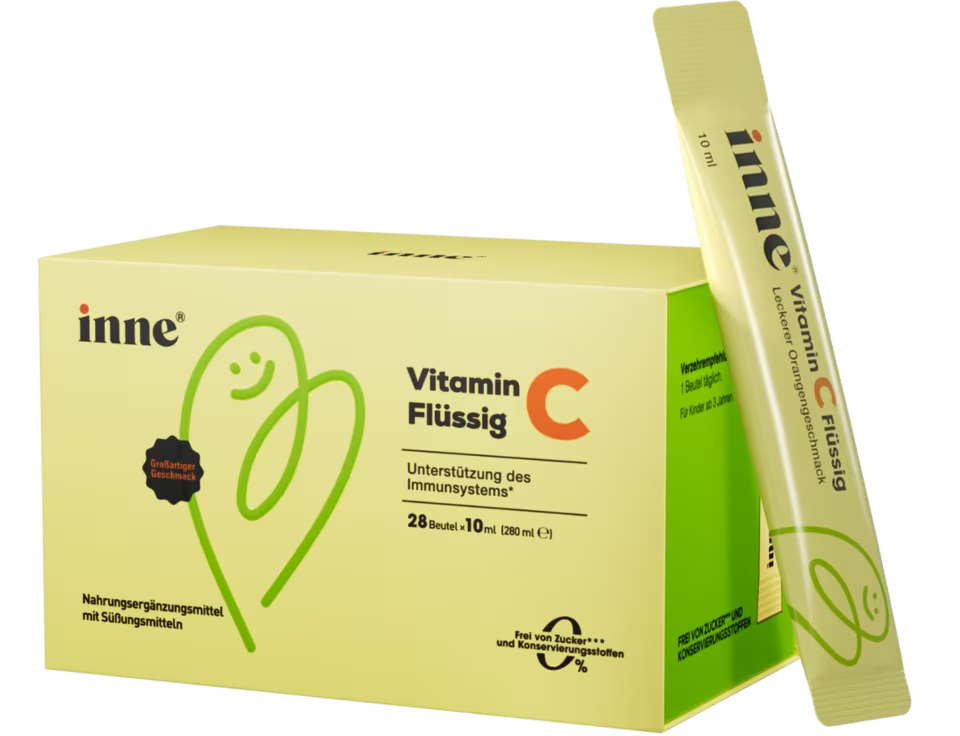
inne® Liquid Vitamin C

  • High Vitamin C Content
  • Immune System Support*
  • Free from sugar*** and preservatives

*Calcium and vitamin D are needed for healthy growth and development of bones in children. Additionally, magnesium, vitamin K, and zinc support the maintenance of healthy bones.

*Vitamin C contributes to the normal function of the immune system.

***contains< 0.5g sugar per 100 ml

Food sources of vitamin C

The good news is that vitamin C is found in many foods that children generally like. Citrus fruits such as oranges, mandarins and grapefruits in particular are real vitamin C bombs. Berries such as strawberries and raspberries are also a great source of vitamin C. They are ideal as a snack between meals or as a topping for muesli in the morning.

Peppers, especially the red variety, are also rich in vitamin C and can be used in many dishes – whether raw in a salad, as a snack with a dip or in a hot meal. Broccoli is also a must on the menu. Steamed or in small florets for snacking, it is a healthy companion.

Simple tips for everyday life: more vitamin C for children

Bet it’s not hard to get more vitamin C into your children’s daily diet! Here are some simple tips that can help:

With these tips, your family will be well prepared and fully armed with plenty of vitamin C – for the everyday challenges of kindergarten, school and beyond!

These measures will help you to establish healthy habits in your children’s everyday lives and ensure greater well-being through fixed routines.

Vitamin C

Vitamin C, also known as ascorbic acid, is an essential nutrient that plays a central role in the health and well-being of both adults and children.

Read more