children play soccer in the afternoon

Children love to run, play and discover the world around them. They often seem to be naturally curious and full of energy. But did you know that all these playful activities are not only fun for the little ones, but can also strengthen their immune system? In this blog post, we take a look at how sport and physical activity affect children’s immune systems and why it’s important to keep them moving.

Sporting adventures: How exercise strengthens children's immune systems

One thing is certain: Exercise is essential for children (and adults) and has various positive effects. If children exercise regularly, their ability to concentrate and learn increases, and their muscles, cardiovascular system, lungs and immune system are strengthened.

In simple terms, the following happens in the body through activity: Exercise stimulates the production of immune cells, which are responsible for fighting off pathogens. As a result, more white blood cells are produced, which fight viruses and bacteria and strengthen the general immune system. Active exercise also promotes better blood circulation in the body, which in turn helps immune cells to circulate more efficiently through the body. This allows the immune system to respond more quickly to potential threats. As a result, your children are better armed against colds, flu and other infections.

Regular physical activity can also promote anti-inflammatory processes in the body and is therefore a great preventative measure against infections.

Our Product Recommendation:

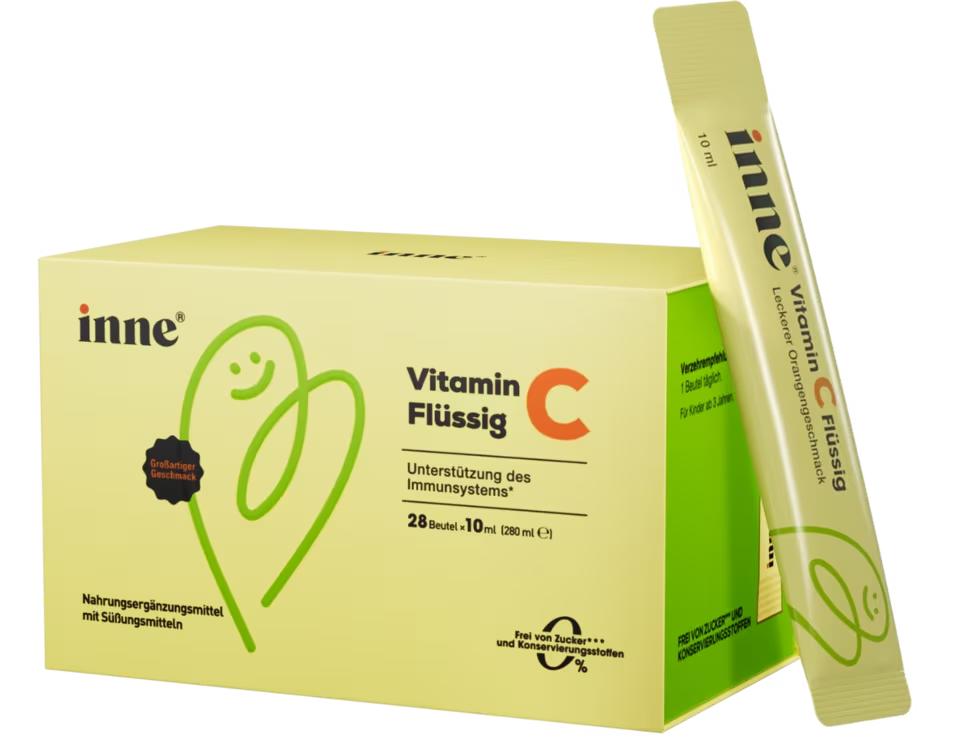
inne® Liquid Vitamin C

  • High Vitamin C Content
  • Immune System Support*
  • Free from sugar*** and preservatives

*Calcium and vitamin D are needed for healthy growth and development of bones in children. Additionally, magnesium, vitamin K, and zinc support the maintenance of healthy bones.

*Vitamin C contributes to the normal function of the immune system.

***contains< 0.5g sugar per 100 ml

(Joint) exercise lifts the mood

Sporting activities are not only beneficial physically, but also mentally. When children regularly get involved in sport, they often show a more balanced disposition – and this in turn has a positive effect on the immune system. So why not play a round of soccer together in the garden or go for a walk in the park?

Playing and training together, for example in team and group sports, not only promotes physical fitness, but also strengthens social bonds. By working together as a team, children learn to take responsibility, rely on others and resolve conflicts constructively. Strong social support helps children to grow up emotionally healthy and therefore also strengthens their immune system.

Activity and rest: how to find the right balance for your kids

Of course, it is important to find the right balance between activity and rest. Excessive sport or pressure can be counterproductive and even weaken the immune system. It is therefore advisable to take your children’s interests into account and offer a variety of activities. Actively talk to your children about what sports they would like to do in their free time. Whether it’s dancing, cycling or swimming – the main thing is that they enjoy it.

Overall, research clearly shows that sport and physical activity have a positive influence on children’s immune systems – and a strong immune system is the best companion for a happy and active (children’s) life.

Find out which natural methods you can use to strengthen your children’s immune system.