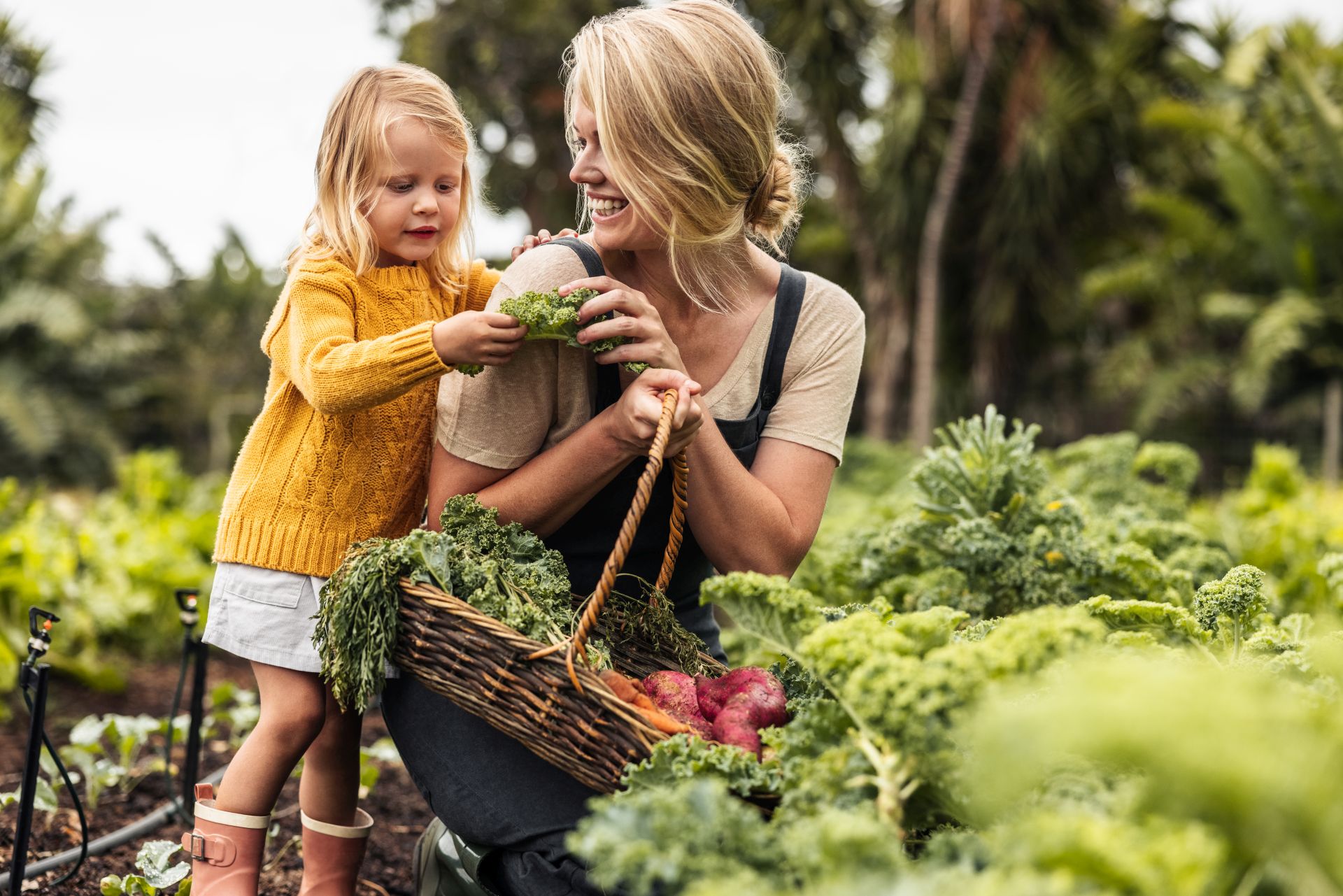
Seasonal eating refers to the consumption of foods that grow in nature at a certain time of the year. There are many benefits to eating seasonal fruit and vegetables in your family’s diet. These foods are not only fresher and tastier, but also richer in important nutrients. This is because they have not been transported over long distances or stored and processed for ages before they end up in your shopping basket. Eating seasonal produce provides children with a variety of vitamins and minerals that are crucial for their growth and development.
Another advantage of seasonal food is its positive impact on the environment. Buying produce that is grown in your own region reduces the carbon footprint caused by the transportation of food. This is not only environmentally friendly, but also helps to support local farmers. This way you can teach the little ones early on how an environmentally conscious diet can work.
Of course, this is not about perfectionism – just try to buy more regional and seasonal foods than those that have been imported or are out of season.
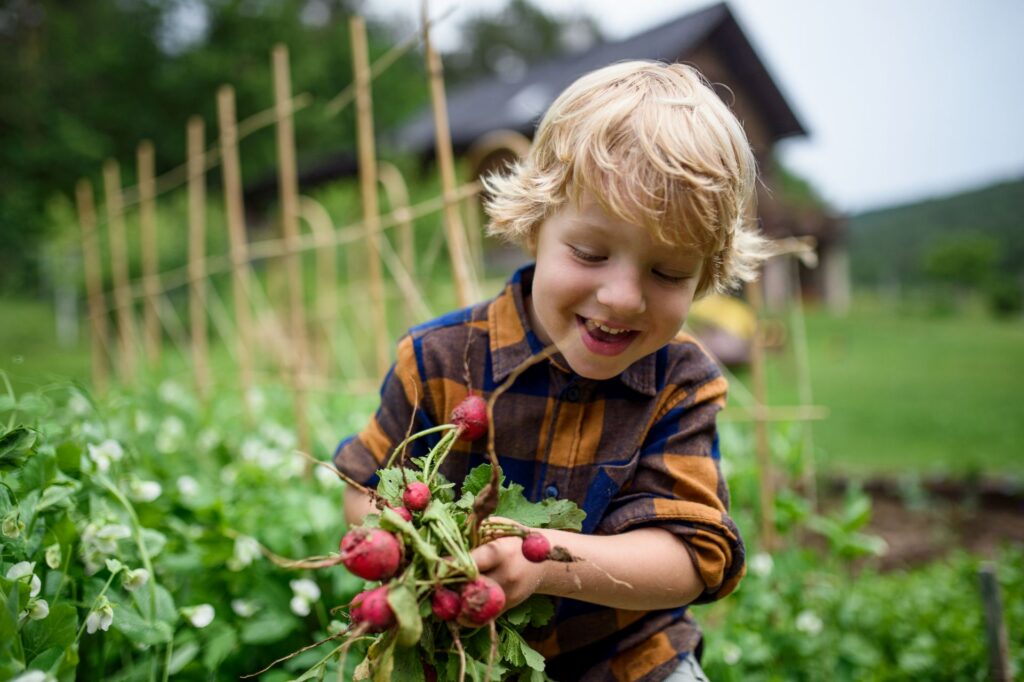
The variety of fruit and vegetables that each season offers allows parents to create a varied and exciting diet for their children. In spring, for example, the focus is on fresh strawberries, asparagus, radishes, carrots and rhubarb. These can be made into delicious snacks, smoothies or healthy desserts.
Summer brings with it an abundance of berries, watermelon, courgettes, peppers and tomatoes. A refreshing fruit salad or a light tomato salad is the perfect way to provide the little ones with important vitamins and enjoy the taste of summer at the same time.
In fall and winter, apples, pears, carrots, Brussels sprouts and pumpkins are plentiful. These can be turned into sweet apple and cinnamon muffins, colorful oven vegetables or spicy pumpkin soups. Nature provides a wealth of opportunities to get creative in the kitchen and prepare healthy meals for the family at the same time.