

Age-appropriate growth and a strong immune system
Zinc is one of the essential trace elements, meaning it is a mineral that humans must regularly consume through their diet. It is absorbed in the small intestine, from where the zinc is distributed throughout the body. When it is not being used for one of the many physical processes that require zinc, it is primarily stored in the bones, skeletal muscles, skin, hair, and nails.
Zinc is important for a whole range of functions in the body. Among other things, zinc stabilizes cell membranes and is involved in the activation of many enzymes, the processing of carbohydrates, proteins, and fats, as well as immune defense, and it is important for fertility. The immune system in particular relies on zinc, as it is involved in several defense reactions and can also have an anti-inflammatory effect. Vitamin C and zinc complement each other in their immune defense functions. Since zinc has antibacterial properties and plays a role in wound healing, it is also used in the form of creams for wound treatment.
For children, an adequate supply of zinc is particularly important during the first three years of life to ensure age-appropriate growth. Zinc also plays an important role during brain development.

An adequate supply of zinc supports many body functions, including:
This wide range of symptoms occurs because zinc is involved in so many different processes in the body. Glucose tolerance, for example, refers to the body’s ability to regulate blood sugar levels using insulin after consuming glucose. A zinc deficiency affects this because zinc is part of the storage system that allows insulin to be stored in the pancreas. There is even evidence that zinc levels could influence susceptibility to psychological stress.
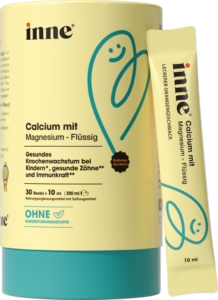
Calcium mit Magnesium Flüssig
*Calcium und Vitamin D werden für ein gesundes Wachstum und eine gesunde Entwicklung der Knochen bei Kindern benötigt. Zusätzlich unterstützen Magnesium, Vitamin K und Zink die Erhaltung gesunder Knochen.
The recommended daily intake of zinc differs between genders starting at around age ten. Boys and men have a higher requirement than girls and women. For adults over 19, the requirement also depends on phytate consumption (see box). For adult men, the daily zinc requirement is between 11 and 16 mg—11 mg with low phytate intake and 16 mg with high phytate intake. For women, it is 7 to 10 mg. During pregnancy and breastfeeding, the zinc requirement also increases, reaching 11 to 14 mg per day for breastfeeding mothers, depending on phytate intake.
Good to know: Zinc and phytate
Phytate is a plant substance that binds various minerals. When phytate encounters zinc in the human intestine, it binds to it and prevents zinc from being absorbed by the gut. The recommended intake of zinc therefore depends on how much phytate is consumed at the same time. The more phytate there is in the diet, the more zinc is needed. However, this does not apply to children, as no influence of phytate on zinc absorption has been found in infants, children, and adolescents. A high phytate content is found primarily in legumes (beans, peas, chickpeas, soybeans), cereal grains, nuts, and seeds. Anyone who obtains zinc almost exclusively from these sources—for example, on a vegan diet—should take special care to reduce phytates in their food. Methods for this include cooking, fermenting (for example, with sourdough), soaking (especially legumes), and sprouting seeds and grains to obtain sprouts.
Also, coffee and black tea can hinder the absorption of zinc due to their tannin content and should therefore not be consumed at the same time as zinc-rich foods.
In some cases, vitamin C and zinc are recommended for children and adults, especially during the cold season. An adequate supply is important because both substances are involved in the smooth functioning of the immune system. Care should be taken to ensure sufficient, but not excessive, zinc intake.
Beef and pork, seafood, milk and dairy products, eggs, legumes, whole grain products, and nuts contain particularly high amounts of zinc. Due to the phytate content of many plants, the body can absorb zinc more easily from animal-based foods.
In healthy people, zinc requirements can often be met through dietary intake. It is different for people who have problems with nutrient absorption in the gut or who avoid a range of foods, for example due to conditions like celiac disease. Other health problems, artificial nutrition, or alcoholism are also risk factors for developing a zinc deficiency. Those affected should seek medical advice.
Zinc is not only an important trace element during childhood growth but also plays a central role in the adult body. Among other things, the immune system, enzyme functions, and the utilization of carbohydrates, proteins, and fats require sufficient zinc to function. Zinc is found in many foods, including meat, dairy products, legumes, and whole grain products. The zinc supply for healthy people without dietary restrictions can therefore be ensured with a varied diet.