A balanced diet is particularly important for children, as it not only supports their physical growth, but also their mental performance and concentration. During a long school day, children need sufficient energy and nutrients to stay alert and fit.
How nutrition influences concentration
A balanced diet helps children to find the energy and concentration they need for the day. Carbohydrates, proteins and healthy fats, as well as vitamins and minerals, are crucial here. While carbohydrates serve as a source of energy, proteins and healthy fats provide a long-lasting feeling of satiety and support brain function. Children who eat balanced meals perform better cognitively and are able to concentrate better. The intake of vitamins, minerals and phytochemicals, which strengthen the immune system and promote mental performance, is particularly important. This is exactly what parents can ensure with a fresh, balanced diet.
Our Product Recommendation:
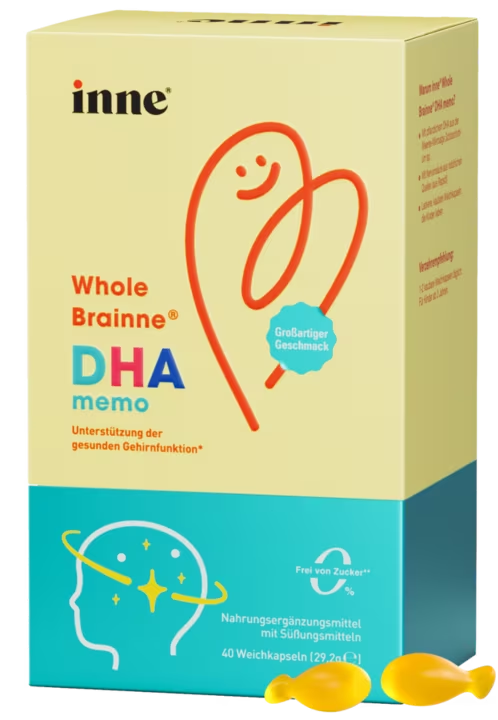
inne® Whole Brainne® DHA memo
- With plant-based DHA from the marine microalgae Schizochytrium sp.
- Supports healthy brain function*
- With nervonic acid from natural sources
- Sugar-free** and without preservatives
*DHA contributes to the maintenance of healthy brain and vision function.
*The positive effect occurs with a daily intake of 250 mg DHA
**Contains< 0.5 g sugar per 100 g
Foods that boost energy and concentration
Some foods are particularly valuable in your kids’ lunch box – these include the following:
Wholemeal products: Wholemeal bread, oatmeal or spelt crackers are good sources of energy as they contain complex carbohydrates that are broken down slowly and keep blood sugar levels stable. This prevents energy fluctuations and keeps your child productive for longer.
Proteins and healthy fats: Foods such as cheese, yogurt, nuts and legumes contain important proteins and healthy fats that support the brain. Nuts, especially walnuts and almonds, also provide omega-3 fatty acids, which promote concentration.
Fruit and vegetables: Fruit and vegetables are rich in vitamins, minerals and antioxidants. We particularly recommend berries, which contain lots of antioxidants and vitamin C, or bananas, which provide a quick source of energy thanks to their high potassium content. Peppers, carrots or cucumbers in small sticks are perfect as finger food and provide important nutrients such as vitamin A and vitamin C.
Water and unsweetened drinks: Dehydration can affect concentration. Water or unsweetened teas are the best choice to keep children hydrated without loading them up with extra sugar.
Ideas for a healthy and tasty snack box
To ensure that the snack box is not only healthy, but also tasty and varied, creative ideas and the inclusion of different food groups can help. Here are a few simple but effective suggestions:
The lunch box should be as colorful and varied as possible, because the eye eats too – even with children. A simple trick to make the lunch box more attractive: Involve your children and let them have a say in what they eat at school. A balanced lunch box will ensure that your child masters the school day full of energy and concentration and develops healthy eating habits.
- Wholemeal sandwiches: Top a wholemeal sandwich with avocado, salad and a slice of cheese or lean poultry. This combination provides protein, healthy fats and fiber.
- Vegetable sticks with hummus: carrots, cucumber and bell pepper strips are crunchy and delicious and can be perfectly combined with a dollop of hummus. Hummus is rich in protein and healthy fats and makes vegetables more appealing to children.
- Fruit skewers: Cut fruit such as apples, bananas and berries into small pieces and turn them into colorful fruit skewers. This packs vitamins and antioxidants into a form that children love.
- Natural yogurt with fruit: Instead of sweetened yogurt, try natural yogurt with fresh berries or a teaspoon of honey. A few oat flakes or nuts also go well with it, providing additional fiber and energy.
- Nuts and dried fruit: A small handful of nuts and unsweetened dried fruit provides energy and valuable micronutrients. However, make sure you limit the amount you eat, as nuts and dried fruit contain a lot of calories.
Find out which tasty foods are rich in lutein and how you can support your little explorers.