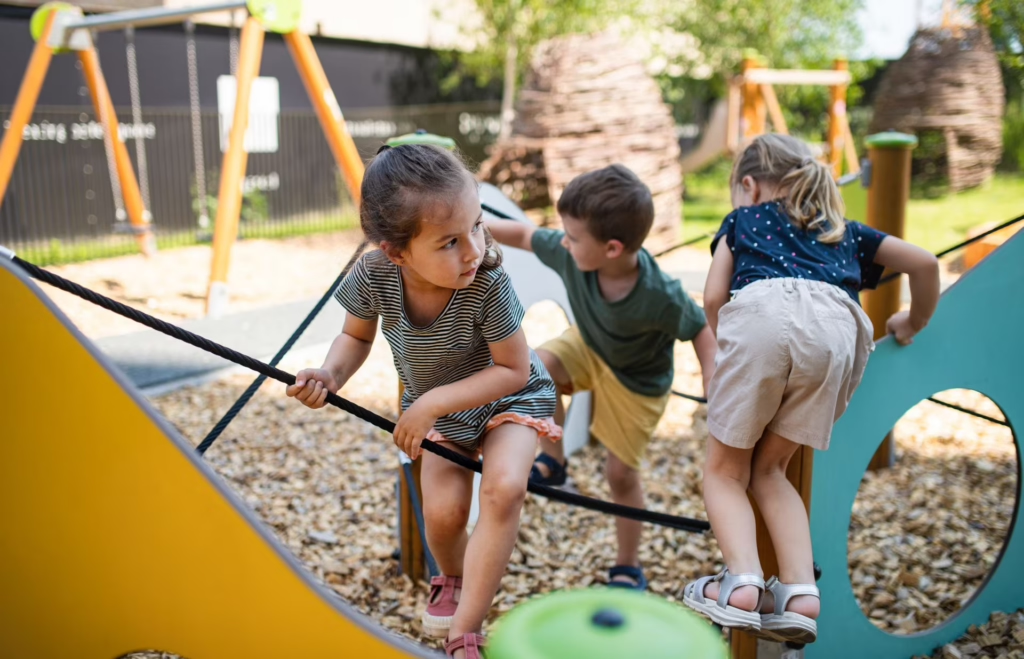
Children are naturally full of energy and this characteristic is an ideal basis for a strong immune system. Regular exercise is not only good for children’s physical fitness, but also plays a crucial role in strengthening their immune system. Find out in this article how exercise strengthens the immune system of young and old and why it is essential for an intact immune system.

Exercise and the immune system - how they are connected

Let’s first take a look at what happens in the body during activity. Exercise increases the heart rate and therefore blood circulation. This in turn increases the number of immune cells in the body – T-cells, B-cells and natural killer cells – and accelerates their circulation. This fights off potential invaders more effectively and fends off infections.

The little ones do not necessarily have to exhaust themselves completely. Even moderate physical activity can help to stimulate these processes and regulate inflammatory processes in the body.

In addition to these factors, sport also helps to reduce stress – in both adults and children. This is because the release of endorphins during exercise improves mood and reduces stress levels. The less stress, the less work for our immune system.

Our Product Recommendation:

Liquid Calcium with Magnesium

  • A synergistic combination of high-quality minerals,
  • Vitamin D3 and Vitamin K2
  • Healthy bone growth in children*,
  • healthy teeth and immune strength
  • No preservatives, no artificial flavors
  • Tastes like drinking yogurt

*Calcium and vitamin D are needed for healthy growth and development of bones in children. Additionally, magnesium, vitamin K, and zinc support the maintenance of healthy bones.

Calcium and magnesium: the silent heroes

In addition to the obvious benefits of exercise, there are also certain nutrients that play a key role in strengthening the immune system and should be consumed in higher quantities during increased physical activity. These include calcium and magnesium. They are not only important for building strong bones, but also influence the function of immune cells.

Calcium is essential for communication between cells and helps immune cells to work together effectively. It is abundant in dairy products, green vegetables and nuts – yogurt, kohlrabi and a few almonds or hazelnuts are tasty calcium-rich snacks.

Magnesium, another power mineral, plays a crucial role in activating enzymes that are needed for the energy metabolism of cells. Foods such as wholegrain products, nuts and bananas are excellent natural sources of magnesium. Both minerals can also be integrated into your little one’s diet as food supplements if the healthy foods are not eaten so greedily.

Enjoying exercise is the be-all and end-all

The key to sustainably integrating sport into our children’s lives is to have fun. Whether it’s a walk with the dog, a wild game of soccer with friends in the garden or a relaxed bike ride with the family, exercise should not be seen as a chore but as a fun activity. The more children enjoy exercise, the more likely it is that it will become a lifelong routine.

Be strong together!

Overall, sport not only promotes physical fitness and well-being in young children, but also supports the development of a strong immune system. Incorporate regular exercise into your family’s daily routine – be it through sports at the club, outdoor games or simply by enjoying exercise in the living room – to strengthen your children’s immune system and make them fit and strong!

In this blog post, we will explain how the body’s immune system develops and which phases it goes through as it grows up.

Two children with sledges in the snow.

Vitamins in winter:

Strengthen your children’s immune system with the right nutrients. We show you how to prevent vitamin deficiency and get your children through the winter in good health.

Read more