Good sleep is crucial for the immune system in adults and children. During sleep, various processes take place in the body that strengthen the immune system. In this article, you will learn why sufficient and good sleep is so important for our children’s immune system and which routines are helpful for them.
What strengthens the immune system overnight
The quality of our sleep and the state of our immune system are closely linked – in both adults and children. While we sleep, we go through different sleep phases. These include light sleep, REM sleep and deep sleep. The latter is particularly important for the work of the immune system. In the deep sleep phase, the immune system works particularly effectively and produces a large number of immune cells. A lack of sleep can therefore impair the immune system’s ability to respond effectively to intruders because not enough immune cells are produced.
Sleep and the immune system: what happens during our rest phases
Sufficient and high-quality sleep plays a key role in strengthening the body’s defenses. During this time, various processes take place in the body, including the following:
Regeneration: Deep sleep is crucial for the regeneration and repair of tissue and cells. These regenerative processes support the formation of new immune cells and help to strengthen existing cells.
Production of cytokines: Sleep influences the production of cytokines. These proteins act as communicators of the immune system and play a central role in fighting infections and inflammation.
Antibody production: During sleep, the production of antibodies that are specifically directed against pathogens increases. This increase supports the immune system’s ability to recognize and fight infections.
Increased macrophage activity: Macrophages are white blood cells that destroy foreign bodies and infected cells. A good night’s sleep promotes the activity of these macrophages, which strengthens the body’s defense mechanisms.
Stabilization of the immune response: A regular sleep cycle stabilizes the body’s immune response. A lack of sleep, on the other hand, can lead to an increased production of stress hormones, which can impair immune function and increase susceptibility to illness.
Vitamin C metabolism: Sleeping at night also influences the metabolism of vitamin C in the body. Vitamin C is an important nutrient for the immune system as it promotes the production of immune cells and acts as an antioxidant against inflammation in the body.

Our Product Recommendation:
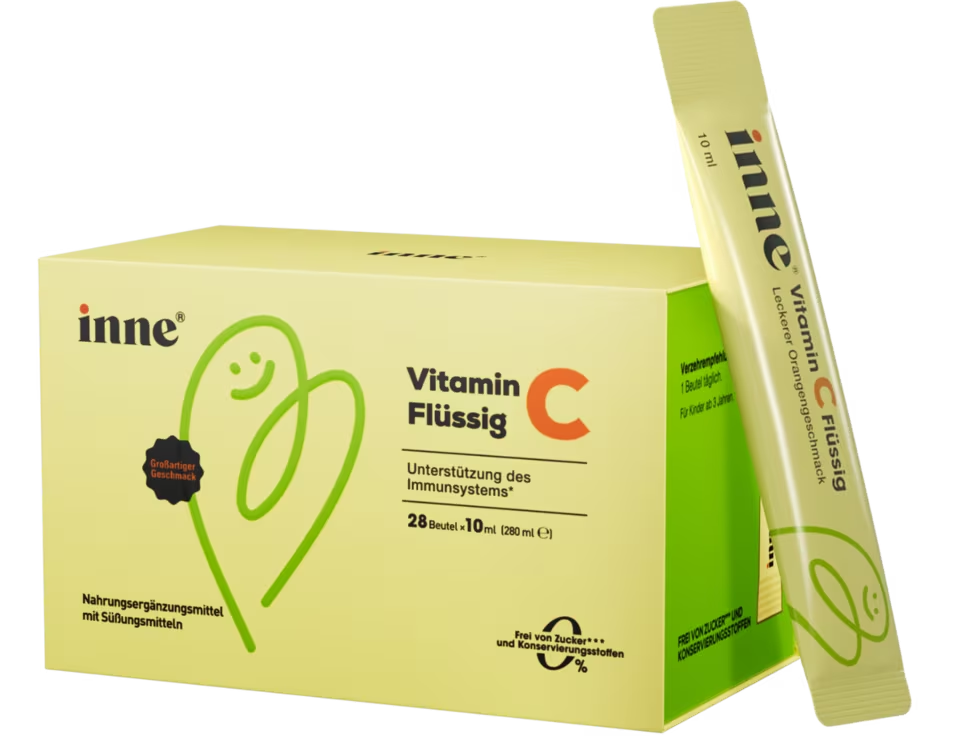
inne® Liquid Vitamin C
- High Vitamin C Content
- Immune System Support*
- Free from sugar*** and preservatives
*Calcium and vitamin D are needed for healthy growth and development of bones in children. Additionally, magnesium, vitamin K, and zinc support the maintenance of healthy bones.
*Vitamin C contributes to the normal function of the immune system.
***contains< 0.5g sugar per 100 ml
Consolidate your children's sleep routines
Quality before quantity! It’s not just about how many hours your children sleep, but also about the quality of their sleep. A deep and undisturbed sleep is crucial for the body to carry out the necessary repairs. A quiet, dark and comfortable sleeping environment is important for children to sleep well.
To promote the overall health of our children, it is important to establish good habits. A fixed sleep schedule that provides sufficient time for rest, combined with a balanced diet rich in immune-boosting nutrients and vitamins, forms the basis for a strong immune system. As parents, you can be creative and playfully integrate healthy habits into everyday life to make them attractive for your children.
A well-rested child with a strong immune system is ready to discover the world and face all challenges with a smile.
Let’s look at the basics of a child’s immune system, from the first breaths to the rebellious teenage years.