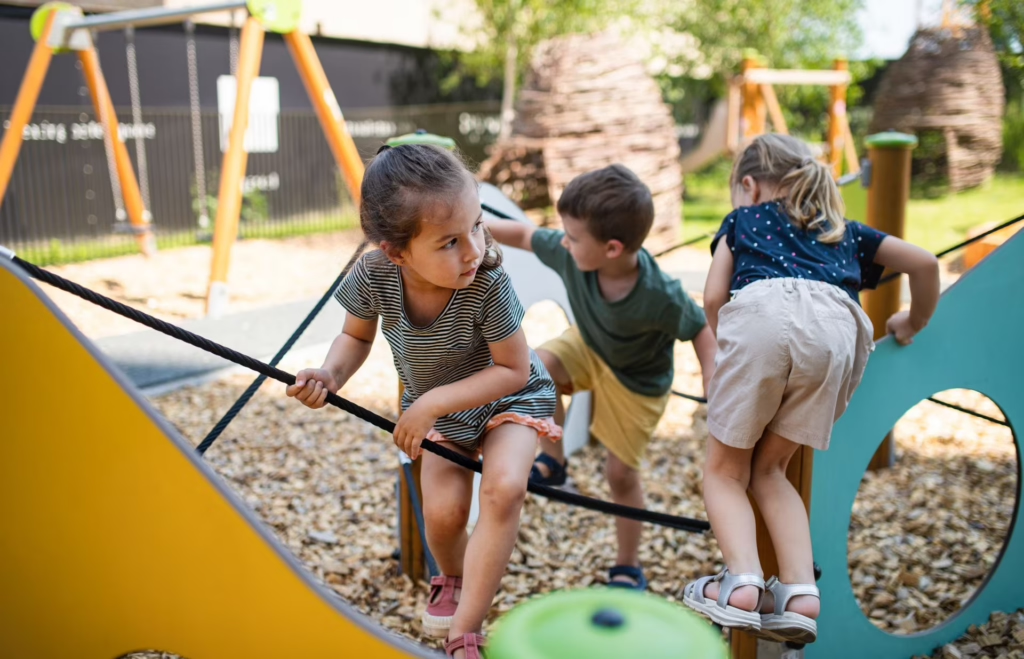
Exercise is crucial for health and well-being, not only for adults but also for children. Between cell phones, consoles and tablets, it is often a challenge for parents to motivate their children to adopt active and healthy habits. However, there are many simple and fun ways to incorporate exercise into everyday life. Below you will find some practical advice and ideas that can help you to integrate physical activity into your family’s everyday life in a fun and positive way.

Joint activities as a family

Use the time as a family to get active together. A walk in the park with a playground stop, a bike ride at the weekend or even a game of soccer together in the garden can not only promote physical health, but also strengthen family togetherness. When children see that exercise is fun for the whole family, they are more willing to actively participate. Therefore, actively ask your children what activities they would like to do. If the little ones feel they have a say, they will be even more motivated and look forward to exercise.

Our Product Recommendation:

Liquid Calcium with Magnesium

  • A synergistic combination of high-quality minerals,
  • Vitamin D3 and Vitamin K2
  • Healthy bone growth in children*,
  • healthy teeth and immune strength
  • No preservatives, no artificial flavors
  • Tastes like drinking yogurt

*Calcium and vitamin D are needed for healthy growth and development of bones in children. Additionally, magnesium, vitamin K, and zinc support the maintenance of healthy bones.

Romping around, running, sports sessions: Make sure you take exercise breaks in your everyday life

Integrate short exercise breaks into your daily routine. For example, this could mean getting up with your children and stretching if you have been sitting at your desk for a long time. Do you do yoga in the morning or go running regularly? Let the children take part in your sporting activities and get them used to it. Such short breaks not only help to loosen up the muscles, but also increase concentration and prevent possible tension.

Games that sharpen the senses

Encourage your children to move by playing games that heighten their senses. For example, combine learning numbers with movement by walking around the room together and jumping or clapping at certain numbers. Such playful activities are not only fun, but also support cognitive development. For schoolchildren, for example, vocabulary can be learned in a playful and active way.

Everyday journeys on foot or by bike

If possible, try to walk, scoot or cycle everyday routes such as the way to school or the playground. This is not only environmentally friendly, but also encourages your children to exercise and gives them the opportunity to actively explore their surroundings.

Fit, healthy and happy!

The positive effects of regular exercise on children’s physical and mental health are undeniable. In addition to strengthening muscles and the cardiovascular system, regular physical activity also contributes to the development of coordination, cognition and social skills. Children who have positive experiences with exercise at an early age tend to maintain an active lifestyle later in life. As parents, you play a crucial role in encouraging your children to lead a healthy and active lifestyle.

Let’s look at the basics of a child’s immune system, from the first breaths to the rebellious teenage years.