Girl sticks out her tongue and lies in the cabbage.

The health and development of our children is particularly important to parents. Food should not only taste good, but also contain all the nutrients they need for healthy growth. One often overlooked nutrient that plays a key role in children’s health is lutein. But what exactly is lutein, why is it so important? And how can parents incorporate it into their children’s daily diet? In this article you will find answers and helpful tips.

What is lutein and why do children need it?

Lutein is a carotenoid – a natural pigment that occurs in many plants and gives them their yellow to green color. Dark green leafy vegetables are particularly rich in lutein. However, it is not just a colorant, but a valuable antioxidant. It protects cells from damage, strengthens the immune system and plays an important role in eye health.

Lutein is particularly important for children because it supports brain and eye development. Children’s eyes are exposed to various strains every day – from using screens to playing outside in bright sunlight to rubbing tired eyes. Among other things, lutein helps to protect the eye. It is also associated with better cognitive development, making it an essential nutrient for growing children. Good reasons to include more lutein in your diet!

Our Product Recommendation:

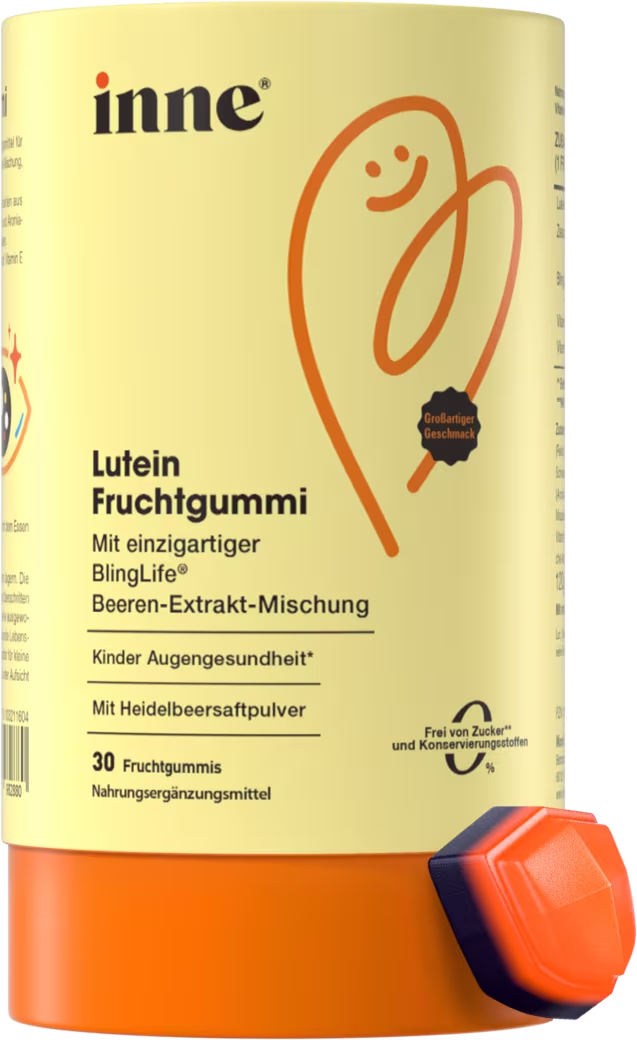
inne® Lutein Gummy

    • Children’s Eye Health*
    • With Vitamin A and Vitamin E
    • Naturally rich in lutein and zeaxanthin isomers
    • With unique BlingLife® Berry Extract Blend
    • Sugar-free** and without preservatives
    • With natural blueberry flavor and juice powder

*Vitamin A contributes to the maintenance of normal vision
** < 0.5 g sugar per 100 g

Lutein-rich foods: these should be on the menu

Fortunately, there are a variety of foods rich in lutein that are easy to incorporate into your children’s diet. The best sources of lutein are:

Spinach: This green leafy plant is a real lutein powerhouse. Spinach can be integrated into many dishes, from smoothies to soups and salads.

Kale: Another power vegetable that is particularly rich in lutein is kale. Like spinach, kale can be steamed, added to salads or prepared as crispy kale chips. The fresher, the better!

Corn: Corn is not only popular with children, but is also a good source of lutein. Whether as a side dish, in salads or soups – corn is versatile and often tastes very good to the little ones.

Egg yolk: Eggs, especially the yolk, also contain a lot of lutein. A soft-boiled egg for breakfast or an omelette are easy ways to incorporate lutein into your diet.

Tips for integrating lutein into your diet

When it comes to children and food, it can sometimes be a challenge to make healthy food palatable. Greens in particular often seem to put little ones off. We have a few tips on how you as parents can incorporate lutein-rich foods into your children’s diet in an unobtrusive way!

Smoothies: Turn spinach or kale into a delicious smoothie – with a few sweet fruits such as bananas, berries or mango. Your children won’t even notice the green content!

Omelettes and scrambled eggs: Stir finely chopped spinach or kale into an egg omelette or scrambled eggs. The egg yolk provides additional lutein and the vegetables make the egg even more nutritious.

(Homemade) corn snacks: like variety? How about corn salad, corn pancakes or a few kernels of corn in a vegetable stir-fry. The sweetness of corn often tastes good to children!

And one last super trick: pasta sauces hide everything! A good way to incorporate more greens into your diet is to mix spinach into pasta sauces. Simply puree it with tomatoes or cream – children will hardly notice the difference!

In this blog post you can find out how to provide your kids with plenty of calcium!