From colds and fevers to smallpox – our little ones’ immune systems are put to the test and trained during their childhood years. In this blog post, we want to explain how the body’s own defenses develop and which phases they go through as they grow up. Let’s take a look at the basics of a child’s immune system, from the first breaths to the rebellious teenage years.
The newborn immune system: a delicate start
At the start of life, a newborn baby’s immune system is at a very sensitive stage and still has very little strength of its own. Breast milk is the best boost for this, as it contains important nutrients as well as antibodies that protect the baby and strengthen the immune system. Immediately after birth, newborn milk, also known as colostrum, provides exactly the nutrients your baby needs for the start of life. Breastfeeding plays a central role in the child’s immune system, which is why only breast milk should be fed in the first few months if possible. In this way, the immune system continues to develop on a daily basis and gradually learns to fight off the germs in its new environment.
Childhood: immune system in training
As your baby grows into a (small) child, its immune system continues to develop and, at best, becomes increasingly robust. Playing, romping and crawling around – all this helps to strengthen the immune system. So do the many infections that come and go in childhood. They are like training for the immune system and help to build up a strong defense.
When your child starts school, another era full of new germs and viruses is about to begin. The difference: by now, your child’s immune system is more practiced and has learned how to deal with different pathogens. Washing hands, eating a nutritious and balanced diet and getting enough sleep between the wild days are now the immune system’s best friends. If your child is frequently exhausted or has an excessive number of (feverish) infections, possible deficiencies should be clarified with the pediatrician.
The teenage years: the challenges of puberty
During the turbulent teenage years, the immune system undergoes further changes. Hormones go crazy, stress levels rise and independence increases. Healthy eating is not usually a priority for teenagers, so it’s important to keep an eye on your children’s diet now – even as they become more independent. It’s especially important to emphasize the basics of health here: a balanced diet, plenty of exercise and enough sleep help the immune system stay strong. Teaching your children early on how a healthy diet works will benefit them now.
Our Product Recommendation:
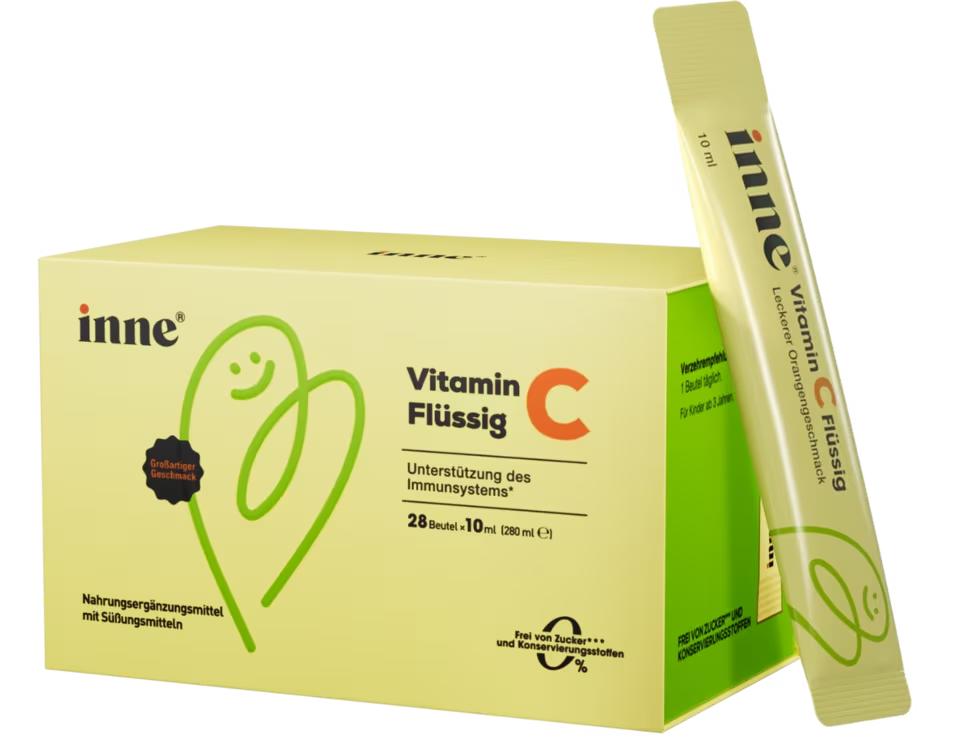
inne® Liquid Vitamin C
High Vitamin C Content
Immune System Support*
Free from sugar*** and preservatives
*Calcium and vitamin D are needed for healthy growth and development of bones in children. Additionally, magnesium, vitamin K, and zinc support the maintenance of healthy bones.
*Vitamin C contributes to the normal function of the immune system.
Strengthen the immune system: Give your children the right tools
As parents, you can make a significant contribution to ensuring that your children grow up strong and healthy and develop an intact immune system. Giving them the right tools – above all a nutritious diet and plenty of exercise and fresh air – are the best prerequisites for a strong immune system.
A small reminder at the end: Vitamins A, B6, B12, C, D, folic acid and the minerals iron, copper, selenium and zinc help our immune system to function optimally. This applies to both young and adult humans.
In this blog post, we take a look at how sport and physical activity affect children’s immune systems and why it’s important to keep them moving.